
When it comes to protecting your home, business, or vehicle, your locks are your first line of defense. While inexpensive locks may seem like a smart way to save money, they often come with hidden risks that can compromise your security and cost more over time.
Understanding the limitations of low-quality locks can help you make better decisions when choosing the right hardware for your property.
The primary purpose of any lock is to prevent unauthorized access. Unfortunately, many low-cost locks are manufactured using lower-quality materials and simplified internal mechanisms, making them easier to bypass or damage.
Budget locks often lack the advanced security features found in higher-quality products, making them more susceptible to common burglary techniques.
These locks may be vulnerable to:
Because many inexpensive locks use softer metals and basic pin systems, determined intruders can often defeat them much more quickly than premium security locks.
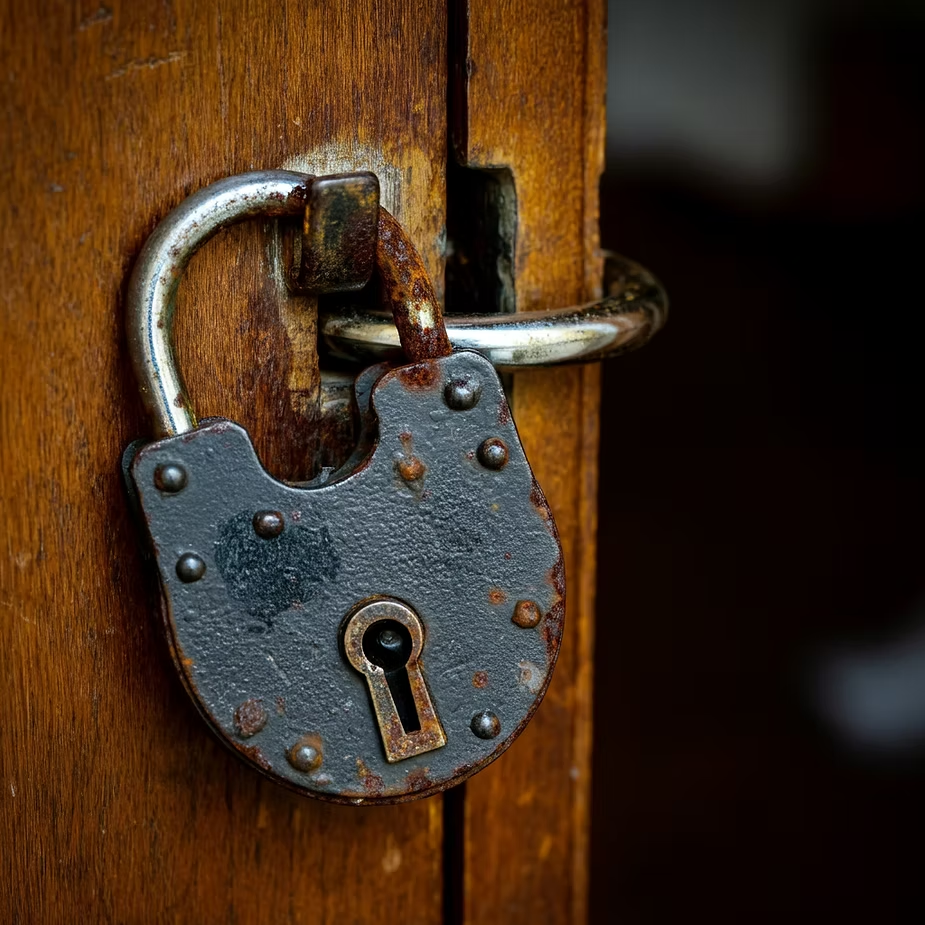
Cheap locks typically use lower-grade materials that wear out much faster than quality hardware.
Common problems include:
Exterior locks are especially vulnerable to weather exposure, making durability an important consideration when choosing replacement hardware.
Although inexpensive locks cost less initially, they often require more frequent replacement and maintenance.
Over time, homeowners may spend more money replacing failed locks than they would have by purchasing a higher-quality lock from the beginning.
Unexpected lock failures can also result in emergency locksmith calls, adding additional costs that could have been avoided.
The greatest cost of a low-quality lock isn’t the hardware itself—it’s the potential loss that can occur if someone gains unauthorized access.
A successful break-in may result in:
Investing in stronger locks is often far less expensive than recovering from a burglary.
One of the easiest ways to evaluate a lock is by its ANSI/BHMA grade.
Choosing a Grade 1 or Grade 2 lock provides greater durability and stronger protection against forced entry.
Established lock manufacturers invest heavily in product testing and security innovations. High-quality locks often include features such as:
These features provide significantly greater protection than many low-cost alternatives.
Even the highest-quality lock performs best when installed correctly. Professional locksmiths ensure proper alignment, secure mounting, and reinforcement of strike plates and door frames for maximum protection.
A locksmith can also evaluate your property’s overall security and recommend additional improvements based on your specific needs.
Choosing a quality lock is an investment in your property’s safety. While inexpensive locks may reduce upfront costs, they often create greater security risks and higher long-term expenses. Durable, professionally installed locks provide stronger protection, longer service life, and greater confidence that your home or business is properly secured.
If you’re considering upgrading your locks, working with a professional locksmith can help you select the right security solutions and ensure they’re installed for reliable, long-lasting performance.