
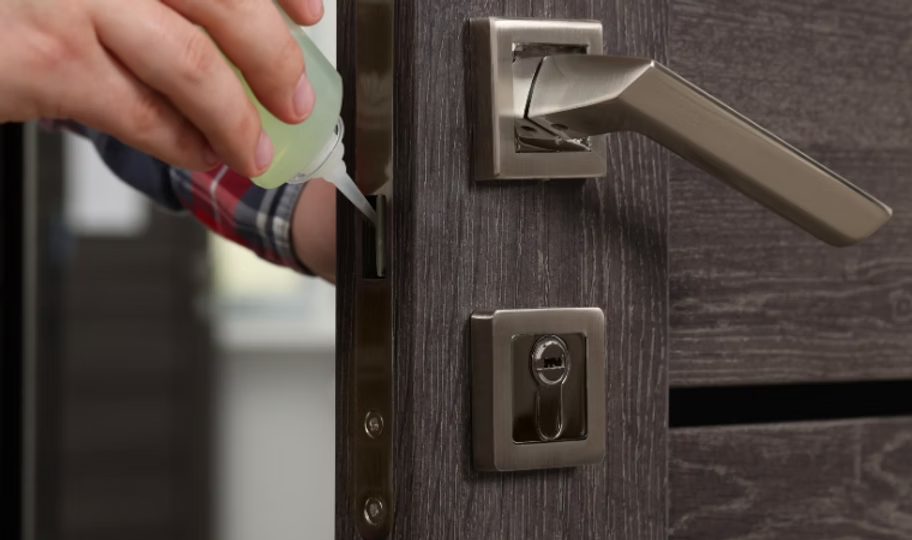
If your door lock is sticking, squeaking, or becoming difficult to turn, it usually means the internal mechanism needs maintenance. Many homeowners reach for household oil, but using the wrong lubricant can actually make the problem worse. Choosing a lock-safe lubricant helps your lock operate smoothly, protects it from dirt and moisture, and can extend its lifespan.
Door locks contain small, precision components such as pins, springs, and tumblers. Heavy oils and grease tend to attract dust and debris, which can build up inside the lock cylinder over time. This buildup often causes stiffness, sticking, and premature wear. For that reason, locksmiths generally recommend lubricants designed specifically for locks.
The most effective lubricants for door locks are dry lubricants, particularly graphite powder and PTFE (Teflon) spray lubricants. These products reduce friction without leaving behind a sticky residue that traps dirt.
Graphite powder has been used by locksmiths for decades and remains one of the most reliable options for traditional mechanical locks.
How to use it:
Advantages:
Drawback:
PTFE-based sprays are a modern alternative that combines easy application with excellent performance. After spraying, the carrier solvent evaporates and leaves behind a thin, dry PTFE coating on the internal components.
Advantages:
Just as important as choosing the right product is avoiding the wrong one.
Avoid these products inside door locks:
These products may provide temporary relief, but they often leave behind a film that collects dust and eventually causes the lock to become sticky again.
Use compressed air to blow dust and debris out of the keyhole before applying any lubricant.
Insert the key several times and turn it gently back and forth to spread the lubricant across the internal pins and tumblers.
Clean any excess lubricant from the exterior of the lock and door hardware to prevent stains or residue buildup.
So, what is the best lubricant for door locks? For most residential and commercial locks, PTFE (Teflon) spray is the best overall choice because it is clean, easy to apply, moisture-resistant, and long-lasting. Graphite powder is also an excellent option, especially for traditional mechanical locks that are kept relatively dry.
Regular lubrication with a proper dry lubricant can prevent sticking, reduce wear on internal components, improve lock performance, and help you avoid costly lock repairs or emergency locksmith service in the future.